Home › B-Movies & Drive-In Nights
Monster Movies: The Best Giant Beasts From King Kong to Kaiju
A guide to the best monster movies across a century: giant apes, kaiju, sea beasts and the monsters next door, and the effects artists who built them.
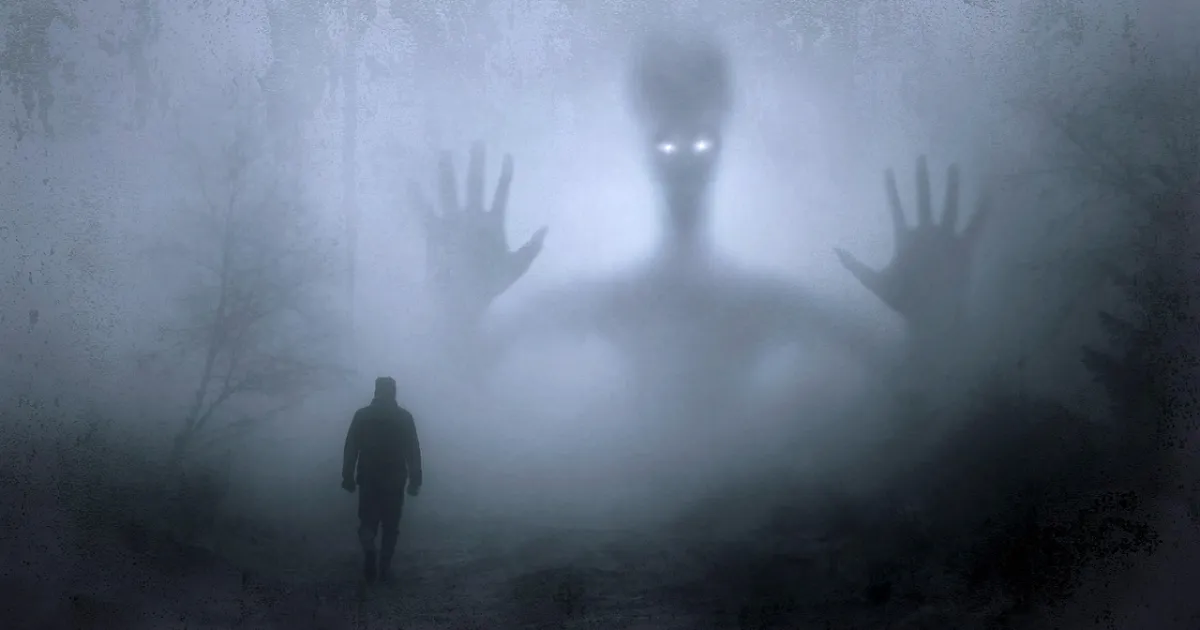
Every generation gets the monster it deserves. In the 1930s it was a giant ape on the Empire State Building; in the 1950s, radioactive beasts born of the atomic age; later, sharks, aliens and things that hunt by sound. Monster movies have always been the place where special effects show off and where audiences work through their fears at a safe distance. This guide follows the big ones, and the craftsmen who made them move.
The stop-motion pioneers
Before computers, monsters were built as small jointed models and moved a fraction at a time, one frame after another. Two names dominate this era.
- King Kong (1933): Willis O'Brien's stop-motion ape climbs into film history. The model was small; the effect was enormous.
- Mighty Joe Young (1949): a gentler gorilla story by much of the Kong team, which won the Oscar for special effects. A young Ray Harryhausen did much of the animation.
- Jason and the Argonauts (1963): Harryhausen's masterpiece, best known for its sword fight with skeletons.
- The Valley of Gwangi (1969): cowboys rope a dinosaur in a hidden valley, a late, charming Harryhausen adventure.
Kaiju: Japan's giant monsters
In 1954 Toho Studios released Godzilla, a grim film about a creature awakened by nuclear testing. Its effects director, Eiji Tsuburaya, used actors in suits and detailed miniature cities, a method fans call "suitmation". The word kaiju, roughly "strange beast", came to mean the whole genre.
- Rodan (1956): a giant flying reptile, and Toho's first kaiju film in color.
- Mothra (1961): a giant moth, twin fairies and a more hopeful tone.
- Shin Godzilla (2016): a modern reboot that turns monster chaos into bureaucratic satire.
- Godzilla Minus One (2023): a postwar drama with a monster at its heart; it won the Oscar for visual effects, a first for the series.
For the 1950s American answer to Godzilla, the giant ants, octopus and atomic dinosaurs of the drive-in era, see our creature feature movies.
Monsters in the water
- Jaws (1975): a mechanical shark that rarely worked, which forced Steven Spielberg to keep it off screen and made the film scarier.
- The Host (2006): Bong Joon Ho's river monster story is also a family comedy and a political satire.
- The Shape of Water (2017): Guillermo del Toro's love story between a cleaner and an amphibian man, inspired by the old creature films; it won Best Picture.
Monsters up close
Not every monster towers over a city. Some get into your house, your town or your body.
- An American Werewolf in London (1981): a transformation scene done in bright light, with makeup that changed the craft.
- Gremlins (1984): small, mischievous and destructive; a Christmas movie with teeth.
- Cloverfield (2008): a giant monster attack seen only through a handheld camera.
- Trollhunter (2010): a Norwegian mock-documentary about government troll control.
- A Quiet Place (2018): creatures that hunt by sound, so the family must live in silence.
And for robots fighting kaiju on a giant scale, Guillermo del Toro's Pacific Rim (2013) is a love letter to the whole genre.
How monster effects changed
| Era | Main technique | Example |
|---|---|---|
| 1930s–1960s | Stop-motion models | King Kong, Jason and the Argonauts |
| 1950s–2000s | Suit performers and miniatures | Godzilla, Mothra |
| 1970s–1980s | Animatronics and prosthetic makeup | Jaws, An American Werewolf in London |
| 1990s onward | Computer-generated imagery, often mixed with practical effects | Cloverfield, Godzilla Minus One |
What makes a great monster movie
The best ones share a few things. The monster stands for something: nuclear fear, nature fighting back, the unknown. The film takes its time revealing the creature, because anticipation is scarier than a full view. And there is usually a human story worth caring about, so the destruction means something. Low budgets often helped: when the monster looked shaky, filmmakers kept it in shadow and let the audience imagine the rest.
For the cheap and cheerful end of the genre, see what a B-movie is. For the gothic monsters of Universal, Dracula, Frankenstein and the Wolf Man, read our guide to classic horror movies.
Questions
What was the first monster movie?
Early silent films featured monsters from the 1910s, and The Lost World (1925) brought stop-motion dinosaurs to features. King Kong (1933) is the first great giant-monster film.
What is a kaiju movie?
A Japanese genre of giant-monster films, starting with Godzilla (1954). Kaiju roughly means "strange beast".
What is the difference between a monster movie and a creature feature?
They overlap. "Creature feature" usually means a lower-budget film, often from the 1950s drive-in era. "Monster movie" is the broader term.
What is the best monster movie for beginners?
King Kong (1933) for history, Jaws for suspense, or The Host for a modern film that mixes thrills with humor.