Home › B-Movies & Drive-In Nights
What Is a B-Movie? From Double Features to Drive-In Classics
The B-movie was born as the cheaper half of a Depression-era double feature, like the B-side of a record. Here is how it worked, who made them, and how the term came to mean any low-budget genre film.
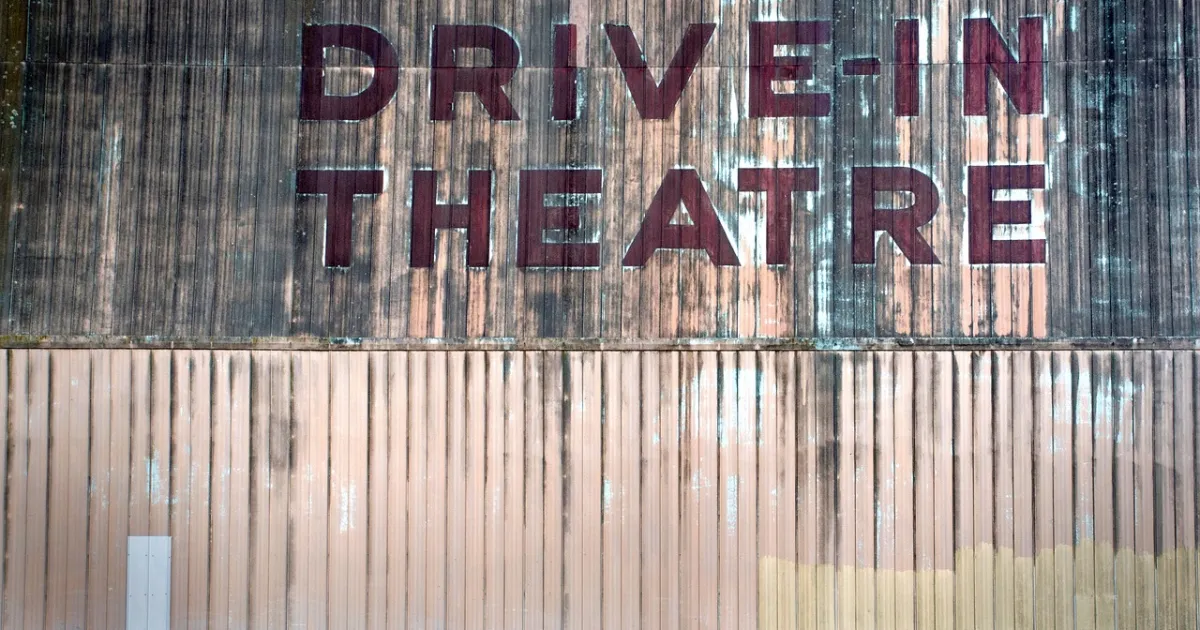
A B-movie is a low-budget film. In Hollywood's studio era the term had a precise meaning: the cheaper second film on a double feature, shown after the big-budget "A" picture. Much like the B-side of a record, it came along with the main attraction. Today the term covers almost any inexpensive genre film, from creature features to action quickies.
How the double feature created the B-movie
During the Great Depression, American theaters fought for audiences by offering more for the price of a ticket. A typical program grew into a newsreel, a short or a chapter of a serial, a cartoon, and then two feature films. The major studios were reluctant at first, but soon set up "B units" to supply films for the second slot.
B pictures were made quickly, with smaller stars, shorter running times and reused sets. Many were westerns, crime films, mysteries, horror films and series pictures that brought the same characters back again and again.
Poverty Row
Alongside the major studios' B units, a group of small independent companies known as Poverty Row turned out films on even smaller budgets. Studios such as Monogram and Republic Pictures, and earlier outfits like Mascot and Tiffany, survived by booking their pictures wherever they could. Some Poverty Row films are remembered fondly today, especially westerns, serials and low-budget horror.
After the studio era: drive-ins and exploitation
When the old double-feature system faded in the 1950s, the B-movie did not disappear. It moved to drive-in theaters and to teenage audiences, with science fiction, monsters, rock 'n' roll and juvenile delinquency. Independent companies like American International Pictures specialised in these films, and producer-director Roger Corman, often called the "King of the Bs", became famous for making entertaining films quickly and cheaply, and for giving early chances to many later-famous filmmakers.
Later decades brought exploitation films, grindhouse double bills and, with home video, straight-to-video genre films. All of them carry the B-movie spirit: tight budgets, bold ideas and the need to grab an audience fast.
A, B and beyond
| Term | Meaning |
|---|---|
| A picture | The main, bigger-budget feature on a double bill |
| B picture | The cheaper second feature |
| Programmer | A film that could play either slot, depending on the theater |
| Serial | A story told in weekly chapters, shown before the features |
| Z-movie | An informal term for films made even more cheaply than Bs |
Why B-movies matter
- A training ground. Directors, writers and actors learned their craft on fast, cheap productions.
- Room to experiment. Small budgets drew less attention from studio bosses, which left room for unusual ideas.
- Genre history. Much of the history of horror, science fiction and film noir runs through B pictures.
- Cult followings. Many B-movies became cult favorites, loved for their invention or for their glorious flaws. See what makes a cult film.
Where to watch B-movies
A good number of old B-movies are in the US public domain and can be watched legally online from archives and libraries. Our guide to public domain movies explains how to check a film's status and where to look.
Questions
Why is it called a B-movie?
Because it filled the "B" slot of a double feature: the second, cheaper film after the main "A" picture.
Are B-movies bad movies?
Not necessarily. "B" refers to budget and billing, not quality. Some B-movies are excellent; some are loved because they are so bad.
What is Poverty Row?
The name for small, low-budget Hollywood studios of the 1930s to 1950s that made quick, cheap films for second-feature bookings.
Are B-movies still made today?
Yes, in spirit. Low-budget genre films made for streaming, video or limited release carry on the tradition.