What Is Film Noir? Meaning, Style and the Films That Defined It
Shadows across a detective's office, rain on a city street, a woman who cannot be trusted and a man who should have known better. Here is what film noir means, where the name came from and how to recognise it.
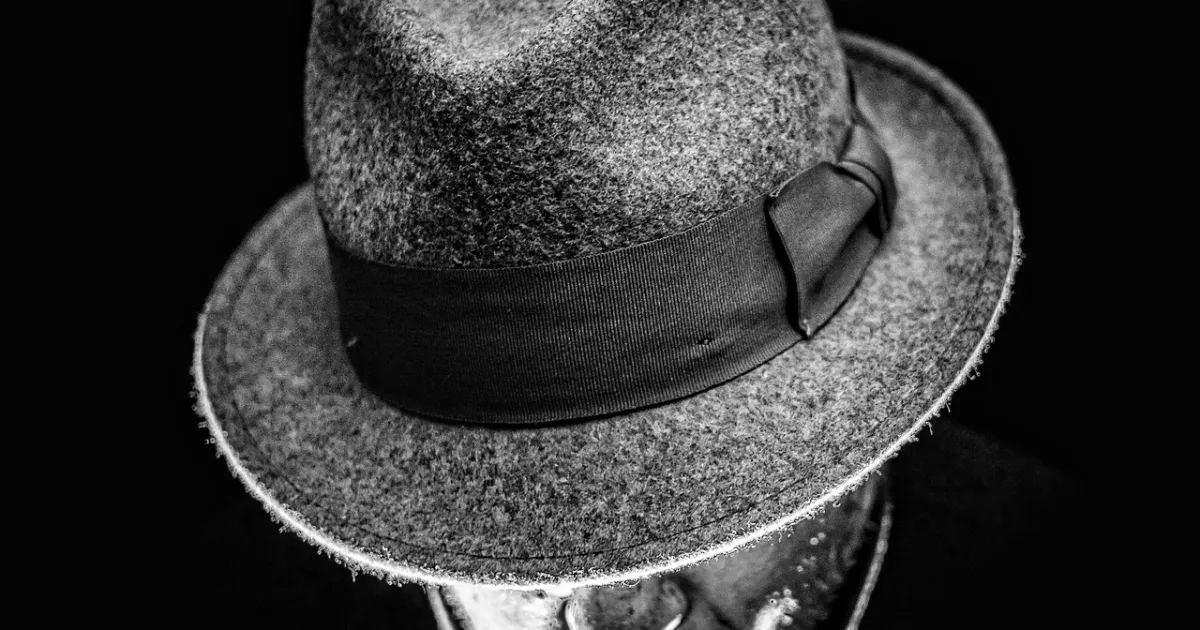
Film noir is French for "black film" or "dark film". It describes a group of American crime dramas, made mostly in the 1940s and 1950s, known for their shadowy look, cynical mood and morally compromised characters. If you picture a private eye in a trench coat, a femme fatale and a city at night, you are picturing noir.
Where the term came from
Hollywood studios never used the label. It was French critics who, after the Second World War, saw a run of dark American crime films arrive in Paris at once. The critic Nino Frank applied the term to Hollywood films in 1946. American critics took it up much later, and today it is one of the best-known terms in film history.
Because the label came afterwards, critics still argue whether noir is a genre (like the western), a style or a mood that cut across genres. Most agree on the core films, even if they disagree on the edges.
What makes a film noir
The look
- Low-key lighting: deep shadows, pools of light, faces half hidden.
- Venetian blind shadows striping walls and faces, a much-imitated signature.
- Night and city: wet streets, neon, cheap hotels, bars and back alleys.
- Odd angles and tight framing that make characters look trapped.
The characters
- The detective: a private eye or cop, tough but tired, working by his own code.
- The femme fatale: a seductive woman whose motives are never clear.
- The fall guy: an ordinary man drawn into a crime by greed, desire or bad luck.
The story and mood
Noir plots are about crime and its cost: murders, double-crosses, insurance schemes, heists gone wrong. Voice-over narration and flashbacks are common, so we often know from the start that things ended badly. The mood is fatalistic: once a character makes the wrong choice, there is no way back.
The classic era
The classic noir period is usually dated from the early 1940s to the late 1950s. Common starting points include The Maltese Falcon (1941), and Touch of Evil (1958) is often named as a closing bookend. Influences came from hard-boiled crime fiction, German Expressionist cinema and the many European filmmakers who had moved to Hollywood. Many noirs were modest B pictures, which is part of why they took risks; see what a B-movie is.
For a watch list, see our guide to the best film noir movies.
Noir at a glance
| Element | Typical in noir |
|---|---|
| Setting | A big city at night |
| Lighting | High contrast, black-and-white, heavy shadow |
| Hero | Flawed, cynical, often a detective or an ordinary man in trouble |
| Woman | Femme fatale, or a good woman the hero fails to choose |
| Ending | Death, prison or a bleak, partial escape |
| Narration | First-person voice-over, flashbacks |
What is neo-noir?
Neo-noir means later films that use noir's themes and style, usually in color and often with more explicit violence. Filmmakers in the 1970s and after deliberately revived the noir mood in crime films, thrillers and even science fiction. Neo-noir shows that noir became a language filmmakers could borrow long after the classic era ended.
The noir aesthetic today
The noir look lives on in photography, fashion, comics, video games and music videos: black-and-white contrast, rain, neon and trench coats. Posters from the classic era, with their dramatic lettering and painted femmes fatales, are popular with collectors.
Many classic noirs fit in the wider story of the studio era; read our guide to the golden age of Hollywood.
Questions
What does film noir mean literally?
"Black film" or "dark film" in French.
Who coined the term film noir?
The French critic Nino Frank applied it to Hollywood crime films in 1946.
Is film noir a genre?
Critics disagree. Some treat it as a genre, others as a style or mood that appears across crime films, thrillers and melodramas.
Are noir films always in black and white?
Classic noirs almost always are. Neo-noir films are usually in color.