Film Projectors: How They Work and Buying an Old 8mm or 16mm Model
A plain-English guide to film projectors: the parts, the formats, filmstrip projectors from school days, and how to buy and run an old 8mm projector without damaging your reels.
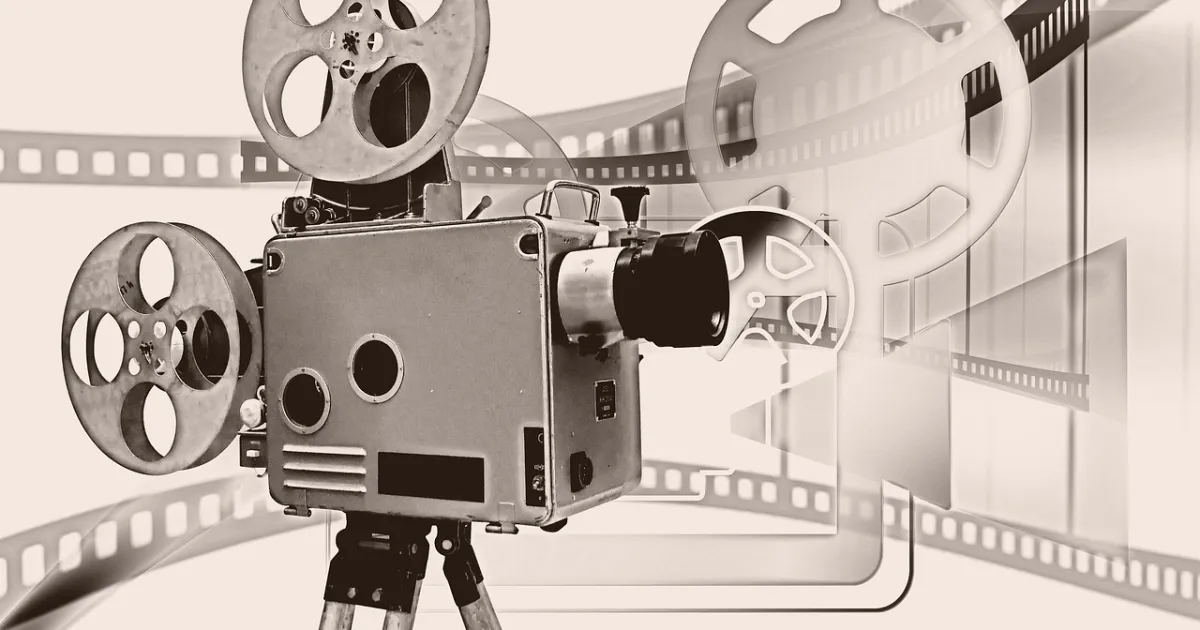
The whir of a reel, the beam cutting through a dark room, the flicker on the wall: few machines carry as much nostalgia as the film projector. Digital projection replaced film in most cinemas, but film projectors live on in archives, repertory theaters, schools' storerooms and the homes of collectors. Here is how they work, which type you need for which film, and what to check before buying an old one.
How a film projector works
A projector shows a rapid series of still frames, each held perfectly still for a split second, so that the eye sees continuous motion. The key parts:
- Feed and take-up reels: the film unwinds from one and winds onto the other.
- Sprockets and loops: toothed wheels pull the film steadily, while slack loops above and below the gate absorb the stop-start motion.
- Intermittent mechanism: a claw, or in many 35mm machines a Geneva drive, pulls the film down one frame at a time and holds it still in the gate.
- Shutter: a spinning blade blocks the light while the film moves, and usually flashes each frame more than once to reduce flicker.
- Lamp and lens: a bright lamp shines through the frame; the lens focuses the image on the screen.
- Sound head: on sound projectors, reads an optical or magnetic track running beside the pictures.
Projector formats, from 8mm to 70mm
| Format | Typical use | Notes |
|---|---|---|
| Regular 8mm | Home movies, 1930s–1960s | Needs an 8mm or dual-8 projector |
| Super 8 | Home movies from 1965, hobby filmmaking today | Needs a Super 8 or dual-8 projector; some play magnetic sound |
| 16mm | Schools, libraries, film societies, TV news | Many projectors read optical sound |
| 35mm | Cinemas | Large, heavy machines, mostly in theaters and archives |
| 70mm | Big-screen epics and special releases | Only a small number of venues still project it |
Format matters more than anything else: a projector will only run the gauge it was built for. Dual-8 projectors handle both regular 8 and Super 8 with a switch or swap of parts. For details on the small-gauge formats, see our guide to Super 8 and 8mm film, and for the classroom format, 16mm film.
70mm deserves a note of its own. Wide-gauge prints carry far more image information, and seeing one projected is an event. A small number of theaters keep 70mm projectors and screen restored prints or new releases shot for the format; check your local repertory and specialty cinemas.
What was a filmstrip projector?
Many Americans remember filmstrips from school: a strip of 35mm film carrying a sequence of still images, advanced one frame at a time. A record or cassette often played narration, with a tone signaling when to advance to the next picture. Later machines could advance automatically on an inaudible tone. A filmstrip projector is a slide show device, not a movie projector, so it cannot run motion picture film.
Buying an old film projector: a checklist
- Confirm the format matches your film: 8mm, Super 8, dual-8 or 16mm.
- Check the lamp. Note the lamp code and confirm replacements are still available before you buy; some are scarce.
- Look at the belts. Rubber drive belts often perish with age. Replacements exist for many common models.
- Run it without film. The motor should start smoothly, and forward, reverse and speed settings should work.
- Inspect the gate and rollers. They should be clean and smooth. Grit or burrs here scratch film.
- Test with a reel you do not care about before loading any family films.
- Check the sound on sound models, if your films have a track.
- Mind the electrics. Old cords and plugs can be worn; if in doubt, have a qualified technician check the projector before regular use.
Using a projector without harming your films
- Clean the gate and film path before each session with a soft brush.
- Never leave a frame stopped in front of a hot lamp unless the projector has a safe still-frame feature; it can melt or burn.
- Rewind carefully and store reels in cool, dry conditions.
- If film is brittle, warped, sticky or smells of vinegar, do not project it. Have it assessed and scanned instead. Our guide to converting film to digital explains the options.
Projecting your own reels is a joy, but for irreplaceable home movies, a good scan first is the safest path. You can then project the original occasionally and watch the digital copy the rest of the time.
Questions
Can I still buy a film projector?
Mostly secondhand. Used 8mm, Super 8 and 16mm projectors are widely sold by collectors and repair specialists; new film projectors are rare.
Will a Super 8 projector play regular 8mm film?
Not unless it is a dual-8 model. The sprocket holes and frame sizes differ between the formats.
Why does my old projector damage film?
Common causes are a dirty or worn gate, a misformed loop, old belts or a stopped frame overheating. Service the projector and test it with expendable film.
Where can I see 70mm film projected?
At the few theaters and festivals that still keep 70mm equipment. Check repertory cinemas and specialty venues near you for special screenings.