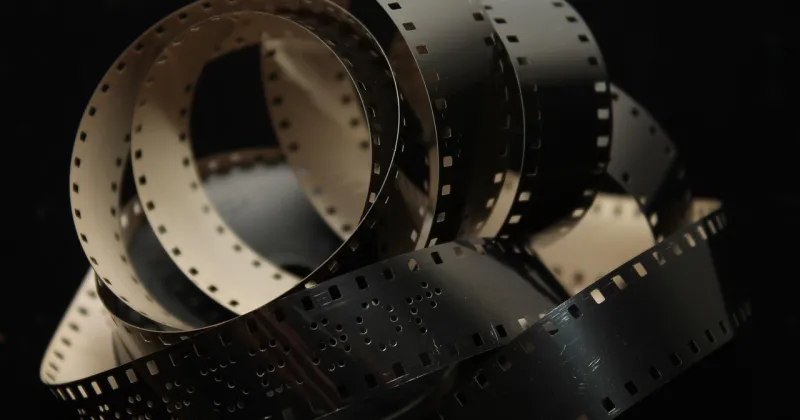
16mm Film: What It Is, the 16mm Look, Super 16 and 35mm Compared
Introduced by Kodak in 1923 as an affordable format for amateurs, 16mm went on to shoot documentaries, TV news, independent films and today's grainy music videos. Here is what makes it different.
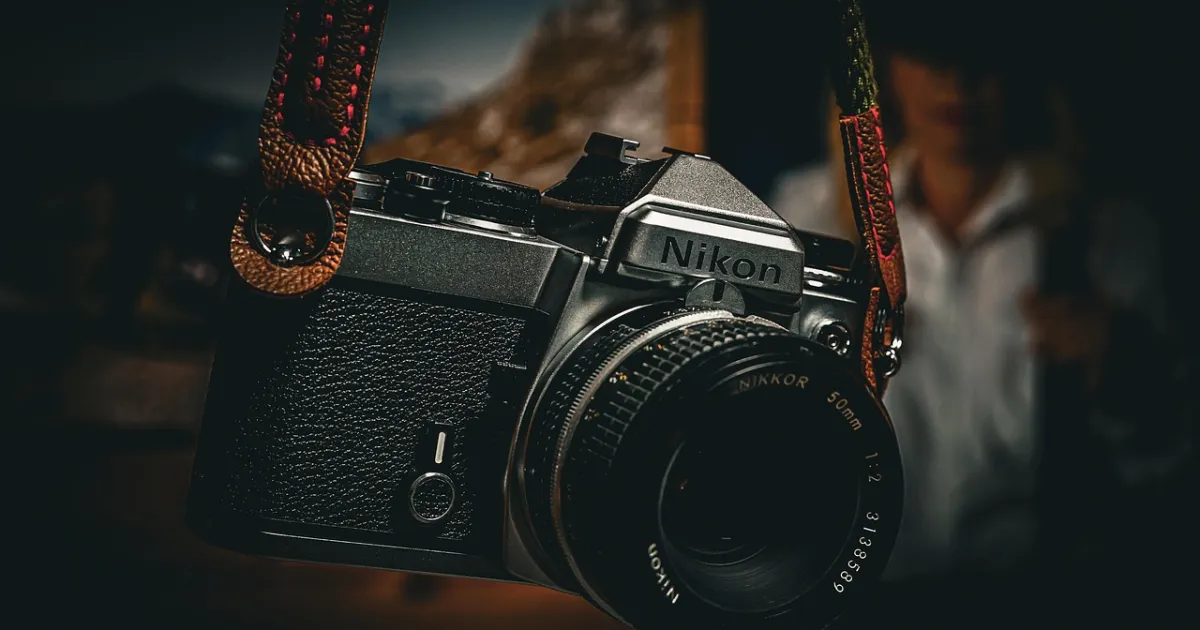
16mm film is a motion picture film format 16 millimeters wide, about half the width of standard 35mm cinema film. Eastman Kodak introduced it in 1923 as a cheaper format for amateurs. It went on to become the workhorse of documentaries, educational films, TV news and independent cinema, and it is still used today for its look.
A short history
- 1923: Kodak releases 16mm with a camera and projector outfit for home filmmakers. Using non-flammable "safety" film made it suitable for the home.
- 1930s–1940s: schools, churches, businesses and the military use 16mm for training and educational films; sound 16mm spreads.
- 1950s–1970s: television news, documentaries and independent filmmakers adopt light 16mm cameras that can be handheld.
- Later: Super 16 becomes popular for shooting films and TV that will be enlarged for widescreen.
- Today: filmmakers and music video directors choose 16mm for its grain and texture.
What does 16mm film look like?
The "16mm look" comes from a smaller frame than 35mm, so the film grain is enlarged more when projected or scanned. Typical traits:
- Visible grain that feels organic and alive;
- softer detail than 35mm or modern digital cameras;
- rich color and gentle highlight roll-off typical of film;
- a documentary, intimate feel, thanks to its history in handheld shooting.
Super 16 versus standard 16mm
Standard 16mm film has perforations for the camera's claw on both edges (double-perf) or one edge (single-perf). Super 16 uses single-perforated film and extends the image into the space where the second row of perforations or a soundtrack would be. The result is a wider frame that suits widescreen formats with less cropping. It needs a camera adapted or built for Super 16.
16mm vs 35mm
| 16mm | 35mm | |
|---|---|---|
| Frame size | Smaller | Much larger |
| Grain and detail | More visible grain, softer image | Finer grain, more detail |
| Cameras | Lighter, smaller, easier to handhold | Larger and heavier |
| Cost | Lower stock and processing costs | Higher |
| Typical use | Documentaries, TV, independent films, music videos | Feature films, high-end commercials |
Cameras and projectors
Classic 16mm cameras include spring-wound models that need no batteries, studio and documentary cameras, and Super 16 conversions. Used cameras are widely available; check that the film transport, lens mount and light seals are in good condition, and buy from sellers who test equipment. 16mm projectors were once in every school; many still work and turn up at sales, but bulbs, belts and sound systems may need service. Film stock and lab processing are still available, though fewer labs handle 16mm than in the past.
Old 16mm films
Huge numbers of educational films, industrial films, home movies and TV prints survive on 16mm. Collectors and archives screen them, and many are digitised. If you have reels at home, see our guide on converting 16mm film to digital. Some old 16mm prints are of public domain films; see public domain movies.
Questions
When was 16mm film introduced?
Eastman Kodak introduced 16mm film in 1923 as an affordable amateur format.
Is 16mm film still made?
Yes. 16mm film stock and lab processing are still available, mainly for filmmakers and artists.
What is the difference between 16mm and Super 16?
Super 16 uses single-perforated film and a wider frame, which suits widescreen formats better.
Is 16mm better than 35mm?
Not better, different: 16mm is cheaper and more portable with more visible grain; 35mm gives finer detail.