Silent Films: The 1920s, Silent Horror and When the Silent Era Ended
Silent films were never silent: they played with live music in packed theaters. Here is a short guide to the 1920s silent era, its horror classics, and how quickly sound swept it away.
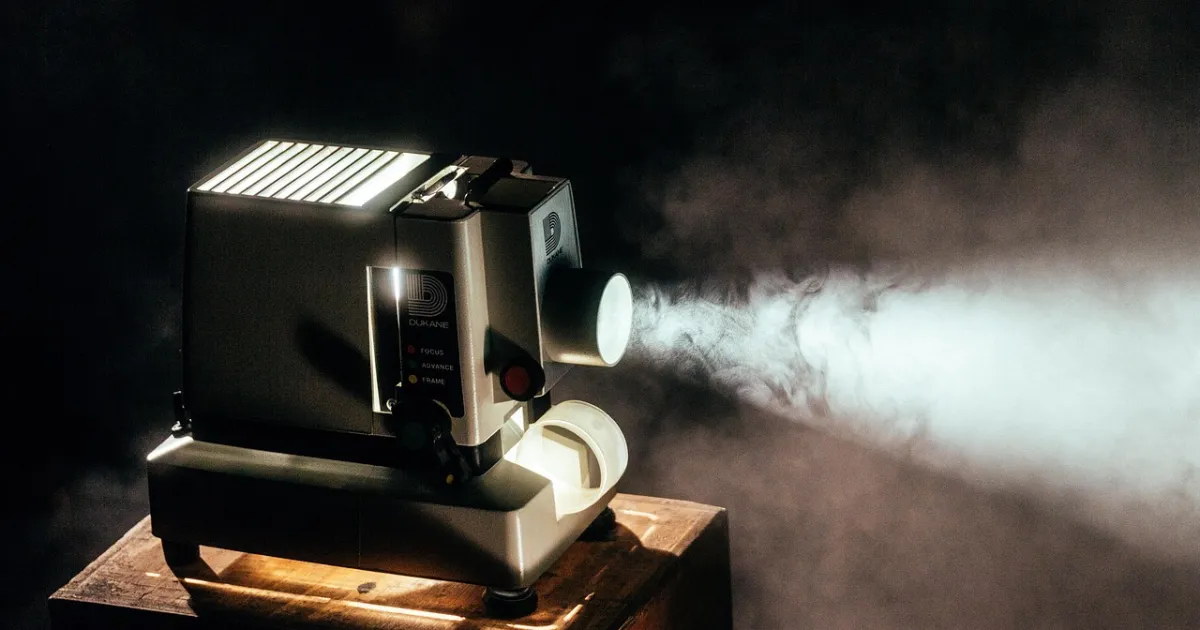
Silent films were the only kind of film for the first three decades of cinema. They told stories through images, acting and title cards, and they were rarely silent in the theater: a pianist, an organist or a full orchestra played along. By the 1920s, silent filmmaking had become a sophisticated art, just before sound replaced it.
How silent films were shown
- Live music. Small theaters had a pianist; big city picture palaces had organs and orchestras, sometimes with scores written for the film.
- Intertitles. Text cards carried dialogue and narration.
- Tinting and toning. Many prints were colored by tinting whole scenes, such as blue for night.
- Variable speed. Silent films were not always shown at one standard speed, which is why they can look sped up when projected wrongly.
The 1920s: the silent era's peak
The 1920s produced many of cinema's lasting classics. Great physical comedians such as Charlie Chaplin, Buster Keaton and Harold Lloyd made feature comedies still shown today. Epics, romances and adventure films filled picture palaces. In Europe, German Expressionism, Soviet montage and French avant-garde films pushed the art form in new directions.
Silent horror films
| Film | Year | Why it matters |
|---|---|---|
| The Cabinet of Dr. Caligari | 1920 | Painted, twisted sets; the key German Expressionist film |
| Nosferatu | 1922 | An unauthorised Dracula with an unforgettable vampire |
| Häxan | 1922 | A strange documentary-drama about witchcraft |
| The Hunchback of Notre Dame | 1923 | Lon Chaney's transformation |
| The Phantom of the Opera | 1925 | Chaney's famous unmasking scene |
| The Man Who Laughs | 1928 | A disfigured grin that influenced later comic-book villains |
Silent horror relies on shadow, makeup and atmosphere, which is why it still unsettles. Several of these films are now in the US public domain; see public domain movies.
When did silent films end?
The change was fast. The Jazz Singer (1927), with synchronized songs and some spoken lines, showed the commercial power of sound. By around 1929 the major studios had largely switched to talking pictures, and theaters were rushing to install sound equipment. A few filmmakers held out: Charlie Chaplin made City Lights (1931) and Modern Times (1936) mostly without dialogue. Silent production continued longer in some other countries.
The coming of sound launched the studio era described in our guide to the golden age of Hollywood.
How to start watching silent films
- Start with a comedy: a Keaton or Chaplin feature wins over almost anyone.
- Choose a restored version with a good score; music makes a huge difference.
- Watch without distractions; silent films ask for your full attention.
- See one with live accompaniment if you can. Many cinemas and festivals offer screenings with musicians.
Questions
When did silent films end?
In Hollywood, mostly between 1927 and about 1929, after The Jazz Singer showed the success of sound.
Were silent films really silent?
No. They were accompanied by live music, from a single piano to a full orchestra.
What is the most famous silent horror film?
Nosferatu (1922) and The Cabinet of Dr. Caligari (1920) are the best known.
Are silent films in the public domain?
In the US, films published before 1931 are in the public domain as of 2026, which includes nearly all silent films.