Old Cartoons: A Short History of Classic Animation, 1920s to 1990s
Before streaming, cartoons played before the feature in movie theaters, then on Saturday mornings and after school. Here is a quick tour of classic animation by era, with the studios and characters that defined each one.
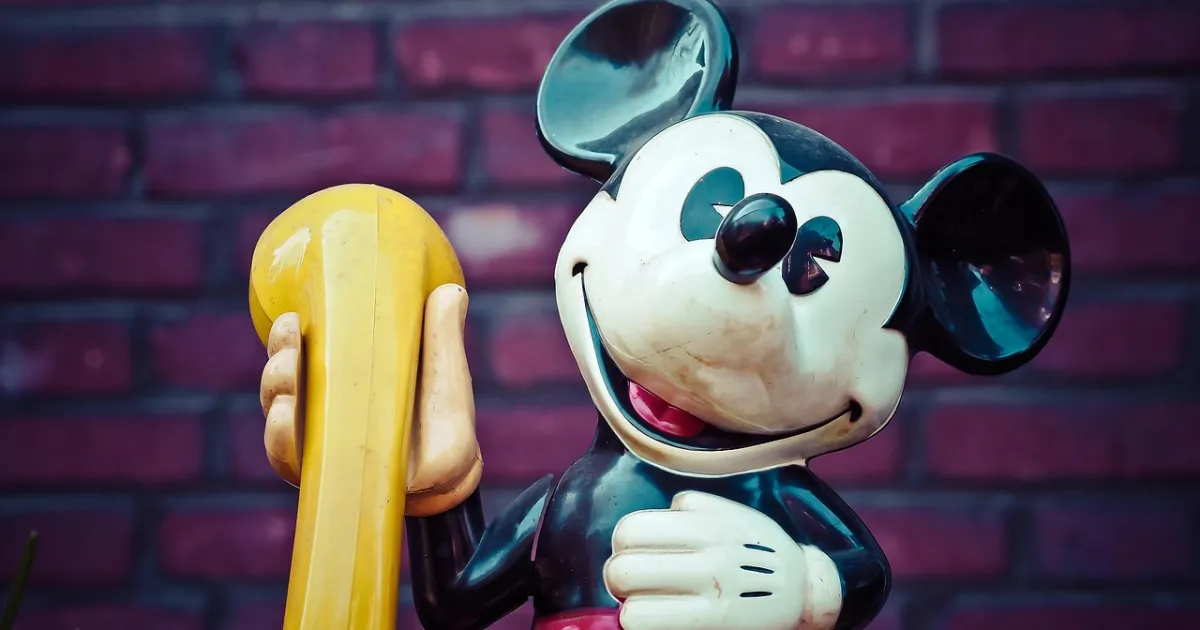
Old cartoons mean different things to different generations: a black-and-white mouse whistling on a steamboat, a rabbit outwitting a hunter, a stone-age family, or a team of teenage turtles. This guide follows classic American animation era by era, from theater screens to television, with the studios and characters that defined each.
The silent era (1910s–1920s)
Early cartoons were short, silent and shown before feature films. Characters like Felix the Cat became stars. Animation was hand-drawn frame by frame, and studios experimented with combining drawings and live action.
The theatrical golden age (late 1920s–1950s)
Sound changed everything. Disney's Steamboat Willie (1928), with synchronized sound, made Mickey Mouse a star. Through the 1930s and 1940s, theater programs routinely included a cartoon, and several studios competed for audiences:
- Disney: Mickey, Donald, Goofy, the Silly Symphonies, and later feature films.
- Fleischer Studios: Betty Boop and Popeye, with a looser, jazzier New York style.
- Warner Bros.: Looney Tunes and Merrie Melodies, home to Bugs Bunny, Daffy Duck and Porky Pig.
- MGM: Tom and Jerry, and Tex Avery's wild gag cartoons.
- Walter Lantz: Woody Woodpecker.
Some of the earliest of these are now in the US public domain. In 2026, works from 1930 joined, including Betty Boop's first appearance and the bloodhound who later became Pluto, according to Duke University's Center for the Study of the Public Domain. See public domain movies for how that works.
Television takes over (late 1950s–1970s)
As theatrical shorts became too expensive, animation moved to TV. Studios developed "limited animation", reusing drawings and focusing on dialogue, to make cartoons fast enough for weekly television. Hanna-Barbera led the way with shows like The Flintstones (1960), the first prime-time animated sitcom, along with Yogi Bear, The Jetsons and Scooby-Doo. Networks filled weekend mornings with cartoons; read about Saturday morning cartoons.
The 1980s
Eighties cartoons are remembered for action heroes and toy lines: robots, warriors and colorful teams of good guys and bad guys. Changes in US rules on children's advertising allowed shows built around toys, which made the decade famous for its merchandise. Comedy and gentle shows for younger viewers ran alongside.
The 1990s and 2000s
Cable channels dedicated to cartoons, and a new wave of creator-driven shows, changed the landscape. Afternoon blocks of animated series, prime-time animation for adults and anime imports all grew. For many people now in their thirties and forties, these are the "old cartoons" of childhood.
Classic cartoon timeline
| Era | Where people watched | Typical style |
|---|---|---|
| 1910s–1920s | Movie theaters | Silent, black and white |
| 1928–1950s | Movie theaters, before the feature | Full animation, sound, then color |
| 1960s–1970s | TV, prime time and Saturday mornings | Limited animation, laugh tracks |
| 1980s | Weekday afternoons, Saturday mornings | Action and toy-driven series |
| 1990s–2000s | Cable channels, after school | Creator-driven shows, more variety |
Where to watch old cartoons
- Official releases and streaming: studio libraries are on their own streaming services and on DVD and Blu-ray collections.
- Public domain archives: many early cartoons are free to watch on archive sites.
- Libraries: public libraries lend DVD collections and some offer free streaming.
- Repertory cinemas: cartoon programs on the big screen, as they were meant to be seen.
Holiday favorites have their own guide: old Christmas cartoons.
Questions
What was the first cartoon with sound?
Steamboat Willie (1928) is the most famous early sound cartoon and made Mickey Mouse a star, though it was not the very first animation with sound.
Why did cartoons move from theaters to TV?
Theatrical shorts became too costly as studio systems changed, while television needed large amounts of programming and limited animation made it affordable.
Are old cartoons in the public domain?
Some are. In the US, works published before 1931 are in the public domain as of 2026, along with some later cartoons whose copyright lapsed.
What counts as an old cartoon?
It depends on who you ask: the theatrical shorts of the 1930s–1950s for some, the 80s and 90s shows for others.